Many private clinics, dental offices, and other medical institutions complain about low client rebooking rates, the lack of a unified patient database, missed calls and inquiries, administrative errors, and an inability to scale. A properly chosen medical CRM system can help solve these problems.
If you want not only to achieve the desired profit but also to stay a step ahead of competitors, consider automating client flow and patient interaction processes. We can assist with implementation.
What Tasks Does a CRM Solve for a Medical Center?

Guaranteed confidentiality of information. Patient database management software provides different levels of access to information, ensuring a high level of security and confidentiality in compliance with current legislation, European and Ukrainian legal standards.
Clinic workflow organization. Special clinic software helps administrators track schedules and book appointments, while managers monitor staff downtime and overload. A doctor’s CRM speeds up report generation and the issuance of standardized electronic prescriptions based on medical history.
Patient interaction. CRM systems for medical institutions not only automate patient booking but also store all patient information in a unified database: personal details provided during registration, visit history with specialists, examination and test results.
Analytical work. CRM systems have built-in tools to track peak staff workload hours, reviews and up-to-date doctor ratings, and the efficiency of each department or laboratory. Use this data to improve team management and client tracking.
Handling routine tasks. A clinic CRM is essential for organizing document flow, issuing invoices for services on time, sending appointment reminders to patients, and automatically distributing informational and promotional announcements. With a modern CRM, you won’t overlook a single detail.
Integration with other software. Clinic CRMs are compatible with various payment systems, accounting applications, social media platforms, and other services for automating medical centers – particularly sales process automation.
Medical CRM System: Implementation and Setup Features
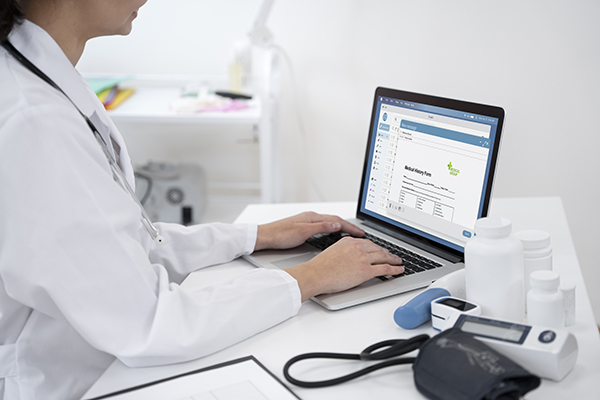
CRMs, including those for dentistry, aesthetic cosmetology, and any other medical institution, are installed by Frigat specialists according to a proven scheme:
- We carefully analyze the technical requirements to determine the exact CRM your medical center needs based on its profile, staff, and objectives.
- We demonstrate the product’s competitive advantages, clearly showing the beneficial changes the client will gain.
- We perform the full range of software installation and customization to meet your medical institution’s needs (different sales funnels, each with its own workflow and automation stages, integrated with accounting software via make.com or similar no-code platforms).
- We train staff on proper CRM usage and provide consultations on all relevant questions.
- If necessary, we migrate existing data from databases to the new system and integrate it with other applications.
For example, implementing a patient management system like Pipedrive takes about three weeks – exact timelines depend on the scope of customization. Pricing is based on your needs, the scale of the medical center, and your goals.
What features are essential in a CRM for a medical institution?
Medical CRM systems must support patient appointment scheduling, control and tracking of doctor visits, and maintenance of patient databases. Additional features include management of room utilization and specialist schedules, clinic performance analytics, and preparation of reports for management.
Is it possible to automate the management of medical records using a CRM?
By using CRM capabilities, you can store all patient information, examination results, and other medical data in one system. Administrators and physicians can access data according to defined access rights. Implementing a CRM is a real opportunity to minimize the use of paper-based patient records.
Is it allowed to connect a CRM to medical laboratory databases?
A CRM system enables information exchange between a medical center and laboratories. It integrates seamlessly with external services via APIs and other tools. This allows test and examination results to be entered into the system in real time.
How does a CRM help retain medical center clients?
CRM system features make it possible to build personalized communication with each patient. Loyalty and trust increase through sending patients special offers and useful notifications, as well as reminders for follow-up visits and preventive check-ups.
Will the system help avoid missed appointments?
If a patient has a scheduled visit with a specialist on a specific date and time, the CRM automatically sends a reminder. The notification is delivered in advance via a messenger, email, or other channels. This significantly reduces no-show rates, allows administrators and doctors to work in more comfortable conditions, and helps medical center owners maintain patient flow and profitability.
How quickly will clinic staff learn to work with a CRM system?
Extensive training is not required. First, the offered CRM systems feature a simple and intuitive interface. Second, Frigat Net specialists have developed an effective training scheme for future users. We provide all the necessary instructions, enabling you to master the basic functions within just a few days.
What if medical institution staff use Excel spreadsheets and other databases?
All information from existing databases can be safely and centrally transferred into the CRM. This ensures that patient history and all existing records are preserved. Working with this data then becomes more efficient and convenient.
How to choose a CRM system for a clinic?
First of all, consider the size of the medical center, the number of staff, and the nature of the tasks they perform. Also pay attention to parameters such as patient flow, data security requirements, and others. Frigat Net will help you make the right choice and protect you from any potential risks.